



WEB DESIGN
In today’s business world, a brand’s website is not just an address but also the first and most comprehensive point of contact with customers. The website serves as the brand’s digital showcase, sales representative, and information hub.
A successful web design is not only visually appealing; it also maximizes the User Experience (UX) by allowing visitors to navigate the site with ease. A functional, aesthetic, and fast‑loading website builds visitor trust and strengthens brand loyalty. For this reason, professional web design is one of the fundamental pillars of modern digital marketing strategies.
The impact of mobile responsiveness on SEO
The fact that the majority of website traffic now comes from mobile devices has turned mobile compatibility (responsive design) from a preference into a necessity.
A website’s ability to function flawlessly on all devices, regardless of screen size, is the key to user experience. Moreover, search engines—especially Google—prioritize mobile‑friendly websites when ranking results (Mobile‑First Indexing). This means that having a responsive design is a vital commercial necessity for your SEO (Search Engine Optimization) success. Websites that are not user‑friendly and cause issues on mobile devices not only lose rankings but also quickly drive potential customers toward competitors.
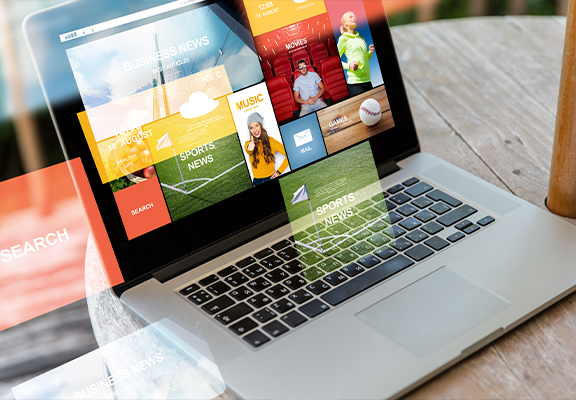

A successful and conversion‑focused website is built on the perfect balance of two core design disciplines:
-
Usability – UX: User Experience includes the logical structure of the site, ease of navigation, and information architecture. It aims to ensure that visitors can effortlessly find what they are looking for, complete actions such as filling out forms without issues, and leave the site satisfied.
-
Visual Design – UI: The User Interface is responsible for the color palette, typography, the aesthetic placement of buttons, and overall visual appeal. It reflects the brand’s personality and shapes the first impression.
-
Success Criterion: A perfect website captivates the eye with its UI while guiding the user to their goal with its UX. This balance, which directs the user toward the right actions, helps you achieve your sales or communication objectives and increases the time spent on the site.


